
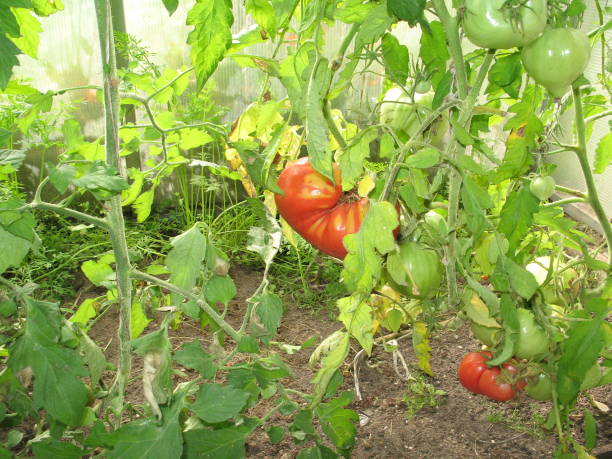
Picture this: you’re checking your tomato plants one afternoon, and suddenly you notice entire branches stripped bare. No leaves, just skeletal stems.
Then you spot it—a fat green caterpillar the size of your finger, munching away like it owns the place. Welcome to the world of tomato hornworms.
These monsters aren’t just annoying. They’re genuinely destructive. A single hornworm can defoliate an entire tomato plant in a couple of days if left unchecked.
And here’s what really gets me—they blend in so perfectly with the foliage that you’ll often see the damage before you spot the culprit. Those black droppings littering your leaves? That’s your first clue these guys have moved in.
But tomato hornworm identification and organic control methods don’t have to feel overwhelming.
Once you know what you’re looking for and understand how these pests operate, managing them becomes straightforward.
No harsh chemicals needed. Just smart observation, quick action, and a few tried-and-true organic techniques that actually work. Let’s get into it.
Tomato Hornworm Identification And Organic Control Methods
Most gardeners panic when they first encounter hornworms. I get it—these caterpillars look intimidating and the damage seems catastrophic. But let’s clear up some confusion right now.
What Most People Think: All big green caterpillars are the same, tomato hornworms will destroy every plant overnight, and you need strong pesticides to control them. Many assume once you see one worm, your entire crop is doomed.
The Truth: Tomato hornworm identification and organic control methods are remarkably effective when applied correctly.
These caterpillars are easy to manage with simple techniques like handpicking, beneficial insects, and proper garden maintenance. You don’t need chemicals. You need vigilance and the right organic approach at the right time.
The Proof: Studies from university extension programs show that handpicking alone removes 80-90% of hornworm populations in home gardens. Research on Bacillus thuringiensis demonstrates 95% mortality rates in young larvae when applied properly.
I’ve personally cleared hornworm infestations from my tomato patch using nothing but morning inspections and a bucket of soapy water. It took about a week of daily checks, but my plants recovered beautifully and produced bumper crops.
How To Identify Tomato Hornworms On Your Plants
Here’s what you’re looking for: massive green caterpillars—we’re talking 3 to 4 inches long when fully grown. They’re pale lime green with distinctive white V-shaped markings running diagonally along their sides.
Eight white stripes to be exact. And that signature black horn protruding from the rear end? Pure intimidation factor. It looks dangerous but can’t hurt you at all.
1. Physical Characteristics
Tomato hornworms have smooth skin, not fuzzy like some caterpillars. Their bodies are thick and plump, especially when they’ve been feeding heavily. The horn is rigid and points backward. If you flip one over, you’ll see their stubby little legs gripping whatever they’re on.
2. Distinguishing From Tobacco Hornworms
Tobacco hornworms look nearly identical but have seven white stripes instead of eight, and their horn is red rather than black.
Both species attack tomatoes though, so the control methods stay the same regardless of which variety you’ve got.
3. Where They Hide
Hornworms excel at camouflage. Check the undersides of leaves first—that’s prime feeding territory.
Look at the top of your plants too, since they often start feeding up high and work their way down. The main stem junction where branches split off? Another favorite spot.
4. Tell-Tale Signs Of Infestation
You’ll usually notice the damage before spotting the worm itself. Large irregular holes in leaves, sometimes entire leaves eaten down to the stem.
Dark green or black droppings (called frass) scattered on leaves below where they’re feeding. Defoliated branches that look like someone took pruning shears to them.
5. Using UV Light For Detection
This trick changed my hornworm game completely. Shine a UV blacklight on your tomato plants after dark, and hornworms glow bright yellowish-green.
It’s almost eerie how well it works. You’ll find caterpillars you’d never spot in daylight, hiding in plain sight.
Organic Control Methods That Actually Work
Forget the chemical sprays. Organic methods handle hornworms effectively without poisoning your tomatoes or killing beneficial insects. Here are approaches I’ve used successfully.
1. Handpicking
The most immediate solution. Check your plants every morning—hornworms feed heavily at night and into early morning. Wear gloves if you’re squeamish, though they can’t bite or sting. Drop them into a bucket of soapy water, which kills them quickly. Some people feed them to chickens, which honestly love these protein-packed snacks.
2. Bacillus Thuringiensis (Bt)
Bt is a naturally occurring soil bacterium that’s toxic to caterpillars but harmless to humans, pets, and beneficial insects. Spray it on your tomato foliage, hornworms ingest it while feeding, and they stop eating within hours. Death follows in a day or two. Works best on young larvae—those under an inch long. Larger worms are more resistant.
3. Beneficial Insects
Braconid wasps are your secret weapon here. These tiny parasitic wasps lay eggs inside hornworms. The larvae feed on the caterpillar from the inside out. You’ll see white rice-like cocoons covering parasitized hornworms. Leave those worms alone—they’re already dead and raising your next generation of pest control. Attract braconid wasps by planting dill, fennel, and yarrow.
4. Diatomaceous Earth
Food-grade diatomaceous earth scratches hornworms’ soft bodies as they crawl over it, causing dehydration and death. Dust it on plants and soil around the base. Reapply after rain. It’s non-toxic but wear a mask during application—the fine powder irritates lungs.
5. Companion Planting
Basil planted alongside tomatoes helps repel hornworm moths from laying eggs. Borage and marigolds work similarly. I interplant basil every three feet along my tomato rows now. Can’t say it’s 100% effective, but I’ve definitely seen fewer hornworms since starting this practice.
Preventative Strategies For Long-Term Control
Dealing with hornworms after they’ve hatched is reactive. Smart gardeners prevent infestations before they start.
1. Till Your Soil In Fall
Hornworms pupate underground, overwintering as dark brown pupae about two inches deep. Tilling in late fall or early spring exposes these pupae to freezing temperatures and predators. Research shows this kills over 90% of overwintering hornworms.
2. Crop Rotation
Don’t plant tomatoes in the same spot year after year. Move them to different beds on a three-year rotation if possible. This breaks the hornworm lifecycle since emerging moths won’t find host plants where they pupated.
3. Remove Plant Debris
After harvest, pull up all tomato plants—don’t compost them if you had hornworm problems. Bag them and trash them or burn them. Leaving old plant material in the garden gives pupae places to hide and overwinter successfully.
4. Monitor Early And Often
Hornworm eggs are tiny, round, and pale green—laid singly on leaf undersides. Check your plants weekly starting in late spring. Crush any eggs you find. One egg squished now prevents one four-inch caterpillar later.
5. Encourage Natural Predators
Birds, especially wrens and mockingbirds, eat hornworms. So do parasitic wasps, tachinid flies, and ground beetles.
Create habitat for these helpers by maintaining diverse plantings, providing water sources, and avoiding broad-spectrum pesticides that kill everything indiscriminately.
Frequently Asked Question
What’s The Difference Between Tomato And Tobacco Hornworms?
Tomato hornworms have eight white V-shaped stripes and a black horn, while tobacco hornworms have seven white diagonal stripes and a red horn. Both species attack tomato plants and other nightshades.
They look incredibly similar, and honestly, the distinction doesn’t matter much for control purposes since the same organic methods work on both equally well.
Can I Use Neem Oil For Tomato Hornworms?
Neem oil has limited effectiveness against hornworms, especially mature ones. It might disrupt feeding in very young larvae, but once they’re over an inch long, neem won’t kill them.
I’ve tried it. Waste of time and money compared to Bt or handpicking. Save your neem oil for aphids and whiteflies where it actually works.
Should I Kill Hornworms With White Cocoons On Them?
Absolutely not. Those white cocoons are braconid wasp pupae. The hornworm is already paralyzed and dying—it won’t eat anymore.
Leave it alone and let those wasps complete their lifecycle. They’ll emerge and parasitize more hornworms for you. It’s free, highly effective biological control.
Killing parasitized hornworms is counterproductive to your pest management goals.
How Long Does It Take Hornworms To Destroy Tomato Plants?
A single large hornworm can strip a mature tomato plant of most foliage in 2-3 days of heavy feeding. Multiple hornworms working together?
They can completely defoliate a plant overnight. That’s why daily inspections matter so much during peak hornworm season—which typically runs from June through August in most regions.
Catch them early when they’re small, and you prevent the worst damage.
Conclusion
Last summer, my neighbor lost half his tomato crop to hornworms. He’d check his plants maybe once a week, spot a caterpillar here and there, but never took consistent action.
Meanwhile, I walked my tomato patch every single morning with my bucket of soapy water. Found hornworms daily for about two weeks straight, then only occasionally after that.
The difference? I caught the infestation early through proper tomato hornworm identification and organic control methods.
My plants stayed healthy and productive all season. He struggled to recover from repeated defoliation.
Start checking your plants tomorrow morning. Look for those black droppings and stripped leaves.
Get yourself a UV flashlight if you’re serious about finding every worm. Use Bt on young larvae, handpick the big ones, and let parasitic wasps do their thing. Your tomatoes—and your harvest—will thank you.